Aeration and sod
Three ways to rebuild a lawn, and the calendar that decides each
Core aeration, overseeding and sod solve different problems. Learn what each one includes, when it works and what to ask the bidder.
By TerraElm Editorial Team Updated 8 min read
- Home lawn aeration
- Every 2 to 4 years
- Cool-season grass
- Fall is the best time
- Warm-season grass
- June through July
- Sod is sold as
- Rolls on a pallet
The short answer
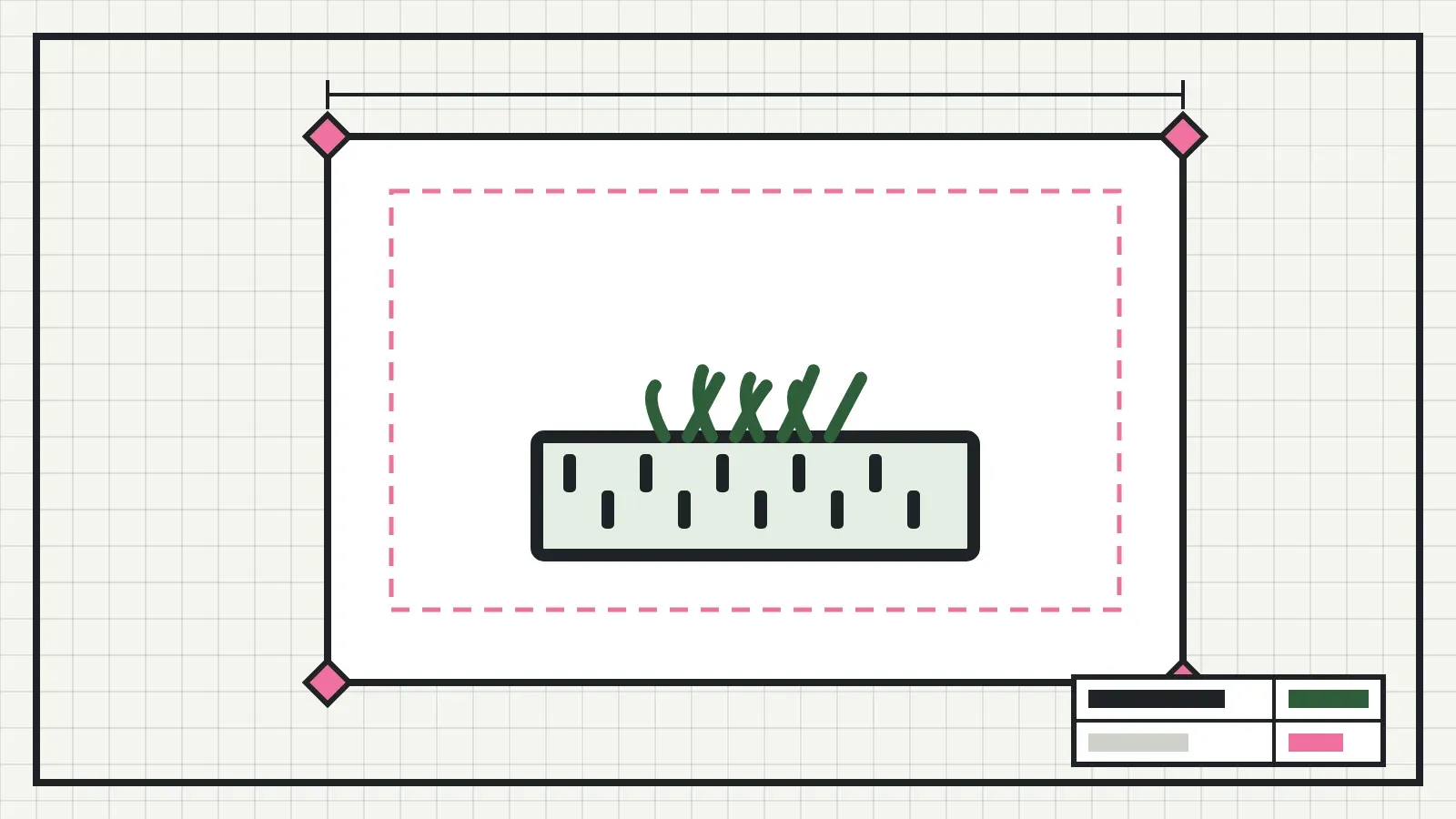
Core aeration pulls plugs of soil so water and air reach the roots, overseeding adds seed to a thin lawn and sod replaces turf with living rolls. Extension guides put aeration of cool-season grass in fall and of warm-season grass in June and July, and they agree that all three jobs need regular water afterward. Ask for the area, the timing and the watering plan in writing.
Three jobs, three different goals
Crews sell these jobs together, and they overlap, but each one fixes a different problem. Decide what is wrong with the lawn before you decide what to buy.
| Job | What it does | When it fits |
|---|---|---|
| Core aeration | Pulls plugs of soil out of the turf, leaving channels for water, nutrients and air | Compacted or hard soil, heavy foot traffic, water that runs off instead of soaking in |
| Overseeding | Spreads new seed over an existing lawn to thicken it | A thin lawn or bare spots, often after aeration |
| Sod | Lays rolls of grown turf over prepared soil | A new lawn, a large bare area or a quick fix where seed would wash out |
None of them replaces feeding or weed control, which is its own job: fertilizer and weed control programs.
Core aeration
The University of Maryland Extension describes core aeration as using a machine that removes plugs of soil. Solid tines or spikes do not count, because they compress the soil more. Plugs are about half an inch to three quarters of an inch wide and 2 to 4 inches deep, spaced roughly 2 to 6 inches apart. You can leave them on the lawn, where they break down in a couple of weeks.
Home lawns need it every 2 to 4 years, and lawns with heavy foot traffic every 1 to 2 years, the same page says. Aerate when the soil is moist but not saturated, and water first if it is dry. Aerate only when the desirable grass is actively growing, never when it is dormant.
Dethatching is a related job. Penn State Extension says to do it only if thatch is at least 1 inch deep, in cool weather with enough moisture. Measure the thatch before you pay to remove it.
Overseeding thin lawns
Overseeding puts seed into turf that is already growing. The aeration holes help, because they give seed a place to settle and better contact with the soil, which the University of Illinois Extension calls important for germination. Cool-season grasses such as fescue, ryegrass and bluegrass tend to do best when overseeded in fall.
The seed must stay moist. The Illinois extension says to water regularly for about two weeks, sometimes once or twice a day, and notes that bluegrass can take two to four weeks to germinate, so it may need a longer period. Ask who does the watering and how long the plan assumes.
Sod, from the pallet to the first month
Sod is sold as rolls delivered on a pallet, according to University of Maryland Extension. Sod that is certified is grown under state supervision in Maryland, and its directory lists certified sources. The rules for certified sod differ by state, so ask your state agriculture department or county extension office what a certified tag means where you live.
Sod is perishable. The Maryland page says to lay it right after delivery, especially in hot, dry weather. If it must wait, lay it flat in a cool, shaded spot and keep it from drying out. Moisten the prepared bed first, water right after laying, and never let the sod dry out while it roots. A University of Delaware fact sheet, revised in 1995, says sod normally knits with the soil in about two weeks, roots need about a month to survive without regular water, and the first three weeks are critical. It also says not to buy sod until the irrigation is in place and working.
Timing by grass type
Calendar dates depend on your climate. These extension guides show the pattern; your county extension office has the dates for your area.
| Job | Timing given | Source |
|---|---|---|
| Core aeration, cool-season grass | Fall, called the best time | University of Maryland Extension, March 2023 |
| Core aeration, warm-season grass | June through July | University of Maryland Extension, March 2023 |
| Aeration in Pennsylvania | Early to mid-spring or late summer to early fall, in cool weather | Penn State Extension, April 2025 |
| Overseeding | Late winter, spring or early fall | Penn State Extension, April 2025 |
| Seeding a new lawn | Late summer to early fall; not later than mid-October for most of Pennsylvania | Penn State Extension, April 2025 |
| Sod | Late summer through late fall in Maryland; avoid summer when temperatures reach the high 80s or 90s | University of Maryland Extension, August 2025 |
Penn State adds that sod can go down almost any time if irrigation is available, and that summer sod needs more frequent watering. Delay any of these jobs in a prolonged drought, heat wave or cold spell.
How each job is priced
Aeration
Usually quoted by lawn area or as a flat visit. Ask whether the price includes a second pass and cleanup of plugs near hard surfaces.
Overseeding
Quoted by area, with seed type and amount on the line. Check that the seed matches your grass and sun.
Sod
Quoted by the square foot or by the pallet, plus delivery and labor. Pallet coverage differs by product, so ask the supplier for it in writing.
Prep and extras
Removing old turf, grading, soil amendments, hauling debris and first-month watering are often separate lines.
Measure the area yourself so quotes use the same number. A 30-foot by 40-foot bare area is 30 × 40 = 1,200 square feet. Ask the supplier how much extra to order for cuts and waste rather than guessing. The material order tool turns area into quantities, and quote units explains how to compare them. We publish no price, because it depends on your area, soil and market.
What the job needs from your lot
- Access. A pallet of sod is heavy, and the truck needs a place to unload. Tell the bidder about gates, steep drives and tight turns.
- Water. A spigot within hose reach, or a working sprinkler system with every zone covering the new area.
- Drainage and grade. Low spots that hold water will stay wet whether the turf is seed or sod. See drainage and grading basics.
- Buried items. Mark sprinkler heads and lines for the crew. If soil prep means digging or regrading deeper than the surface, request your 811 utility marks first.
Questions for the bidder, and DIY or hire
- What area are you pricing, and how did you measure it?
- What grass will go in, and is it right for my sun and use?
- What is the watering plan for the first month, and who carries it out?
- What happens if the seed or sod fails, and what does the warranty cover?
- Is soil prep, old-turf removal and debris haul-away in the price?
Renting a core aerator is a weekend job on a small lawn, and spreading seed is easy to do by hand or with a spreader. Sod is heavier than it looks and must go down quickly, so a large area is a better fit for a crew. Whoever does the work, the watering that follows decides the result. Read the warranty terms before you sign: change orders, warranties and lien waivers.
Questions homeowners ask
How often should I aerate my lawn?
The University of Maryland Extension says home lawns need core aeration every 2 to 4 years and heavily used lawns every 1 to 2 years. Aerate only when the grass is actively growing.
When is the best time to aerate and overseed?
For cool-season grasses, fall. The University of Maryland Extension calls fall the best time to aerate them, and Penn State Extension lists early fall for overseeding. Warm-season grasses are aerated in June and July.
How long do I need to water new seed or sod?
Keep new seed moist, sometimes once or twice a day, for about two weeks, and longer for slow grasses such as bluegrass. New sod should never dry out while it roots, and its first three weeks are critical.
Do I need to remove the soil plugs after aerating?
No. The plugs can stay on the lawn, where they break down in a couple of weeks.
Sources
- University of Maryland Extension: Lawn Aeration (updated March 1, 2023)
- University of Maryland Extension: Pallet of Sod (updated August 20, 2025)
- University of Illinois Extension: Lawn Aeration and Overseeding
- Penn State Extension: Lawn Management Through the Seasons (updated April 30, 2025)
- University of Delaware Cooperative Extension: Buying and Installing Certified Sod (revised 1995)
Checked on November 20, 2026. Planting windows depend on your grass type and climate, and certified-sod programs and watering restrictions vary by state, county and water utility. The Delaware sod fact sheet is old, so treat its timelines as a rule of thumb. Ask your county extension office for your local dates.
Next on the lot
-
Job
Fertilizer and weed control programs
Soil tests, label rules, local blackout dates and how program rounds are priced by area.
-
Job
Sprinkler systems and irrigation service
Zones, backflow testing, local watering days and how installation and service are priced.
-
Lot guide
Drainage and grading basics
Read grade, size roof runoff (748 gallons per inch on 1,200 sq ft) and move water without harming a neighbor.