811 and locates
Utility marks come first: how 811 works and what the colors mean
The request, the wait, the eight APWA colors as the standard states them, and the habits that keep a shovel, auger or post-hole digger off a buried line.
By TerraElm Editorial Team Updated 8 min read
- Request
- Call 811 or state website
- Notice before digging
- Set by your state
- Color code
- APWA, 8 colors
- Next project
- New request each time
The short answer
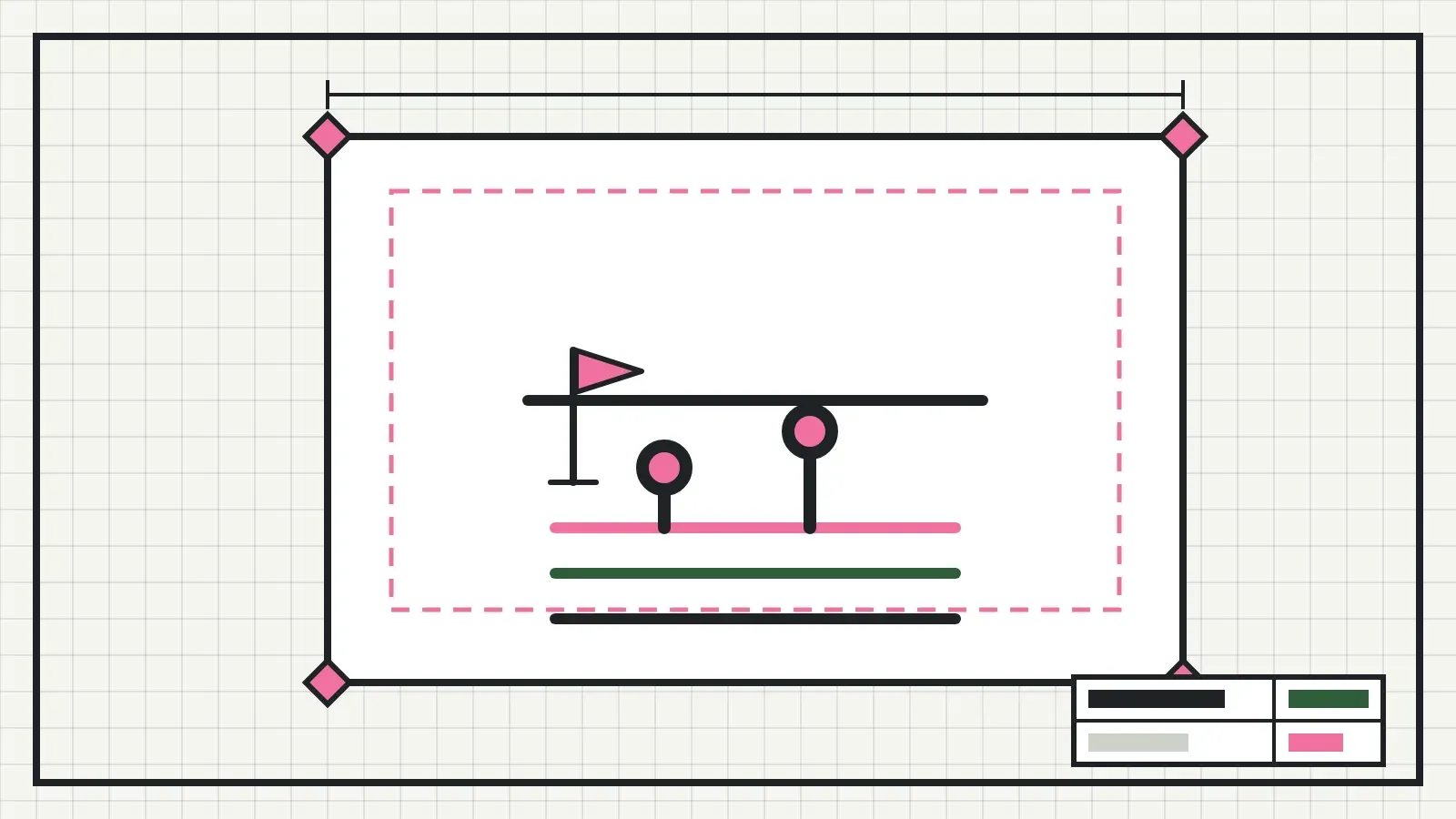
Before you dig for a fence, deck, tree, pool or garden bed, contact 811, the national number that routes you to your state center. The utilities then mark buried lines with paint or flags using the APWA color code. How much notice you need depends on your state, for example two working days in Texas and California and 48 hours in Virginia. Wait for every utility to respond.
How a locate request works
The Common Ground Alliance (CGA), the national group behind 811, says you can call 811 from anywhere in the U.S. or file the request on your state 811 center's website. The online form asks for the same information as the call. You get a ticket number, plus how long utilities have to respond and how to confirm that they all did.
- Decide where you will dig and how big the area is. A sketch on your lot plan helps.
- Contact 811 by phone or on your state center's website, a few business days before digging.
- Keep the ticket number and the list of utilities it names.
- Wait for the marks and check that every utility on the ticket has responded.
- Dig only after that, and dig with care near the marks.
CGA also says you can outline a small dig area with white paint or white flags so locators mark only that part, and you should tell your 811 center your plans. This keeps the marks close to the job.
The APWA color code
Marks are made with spray paint or flags. The American Public Works Association (APWA) published the Uniform Color Code that state centers cite. Virginia 811 and Blue Stakes of Utah both say their utilities use it. The table lists the colors with the wording from the APWA card, which is marked Rev. 4/99.
| Color | Identifies |
|---|---|
| Red | Electric Power Lines, Cables, Conduit and Lighting Cables |
| Yellow | Gas, Oil, Steam, Petroleum or Gaseous Materials |
| Orange | Communication, Alarm or Signal Lines, Cables or Conduit |
| Blue | Potable Water |
| Green | Sewers and Drain Lines |
| Purple | Reclaimed Water, Irrigation and Slurry Lines |
| White | Proposed Excavation |
| Pink | Temporary Survey Markings |
Virginia 811 calls the code a general guide and adds that each utility also uses a letter code that shows who placed the marks. The CGA page does not list the colors, only that each utility type has its own. Treat the colors as a first read, not a map, and ask your state center how it wants marks read.
Notice periods differ by state
CGA says state laws vary, and that utilities generally have a few days to respond. Its state pages give the figures. Check your own state's page before you plan a start date.
| State | Notice before digging | How long marks or tickets last |
|---|---|---|
| Texas | 2 working days, and no more than 14 days ahead | Marks valid 14 days |
| California | 2 working days, not counting the day you notify; no more than 14 calendar days ahead | Tickets valid 28 days |
| Virginia | At least 48 hours; the clock starts after 7 a.m. on the next working day | Marks valid 15 working days |
Count working days, not calendar days, and expect weekends and holidays not to count. Texas811 says the two-business-day rule applies even in your own backyard. If the work slips past the date your marks are valid, request again.
Plan the dig before you call
A good request starts with a plan. Sketch the dig area on your lot plan, measure it and note the date you hope to start. Add a buffer, because notice periods count working days and a holiday week can push the date. If the project has several digging stages, such as fence posts now and a patio later, ask your state center whether one request covers both or whether the later stage needs its own. Marks and tickets expire, as the table above shows. Then use the lot plan calculator to keep the sketch to scale.
After the flags are up
- Confirm every utility responded. Compare the marks to the list on your ticket. A missing color may mean a utility has not marked yet.
- Dig around the marks, not on them. CGA says lines can be shallow, so a careless thrust can strike one.
- Do not move or remove the flags until the work is done.
- Photograph the marks and keep the ticket until the job is finished and the ground is restored. Photos help if marks fade or a question comes up later.
- Call again for each new job. CGA notes that erosion and root growth can shift a line over time.
- If you hit a line, stop digging and follow your 811 center's and the utility's instructions. Texas811 asks you to contact 811 so the damage can be reported.
Hiring a crew
Texas811 says that when you hire a contractor, the contractor is responsible for notifying 811, and you can ask for the ticket or notification number. Ask every bidder, in writing, who makes the request and when. Put it in the contract along with the start date. See compare bids side by side.
Fences and decks
Post holes are digging. See fence installation for the sequence.
Trees and stumps
Stump grinding and root work can reach buried lines, and overhead lines are a separate hazard. Call a qualified arborist or the utility rather than working near power lines yourself.
Plantings and beds
Planting holes and edging trenches are digging too. CGA says to contact 811 before any digging.
Easements
Utility strips often carry lines. See setbacks, easements and rights of way.
Questions homeowners ask
Is 811 free?
The CGA page describes 811 as a request you make by phone or online and does not mention a charge to homeowners. Ask your state 811 center to confirm for your state.
How long must I wait after I call?
It depends on the state. Texas and California each say 2 working days and Virginia says 48 hours, according to CGA state pages. Check your own state's center.
Do I need 811 for a small garden bed or one fence post?
CGA tells homeowners to contact 811 before any digging. If your dig area is small, you can outline it in white so only that area is marked.
Does 811 mark the sprinkler line or a line to my shed?
The CGA page does not address private lines. Ask your state 811 center how it handles them, and find out who installed the line.
Sources
- Common Ground Alliance: Before You Dig (811)
- Common Ground Alliance: 811 in Texas
- Common Ground Alliance: 811 in California
- Common Ground Alliance: 811 in Virginia
- American Public Works Association: Uniform Color Code (card, Rev. 4/99)
- Texas811: Homeowner information
- Virginia 811: What do the markings mean?
- Blue Stakes of Utah: What do the colored markings mean?
Checked on November 20, 2026. The color list is copied from the APWA card; the pages checked show no later revision. Notice periods, ticket lifetimes, hand-dig zones and treatment of private lines vary by state. Ask your state 811 center and, for work near overhead lines, your electric utility.
Next on the lot
-
Lot guide
Read your plat and survey
The parts of a plat and a survey, where to get them and what to read first.
-
Lot guide
Setbacks, easements and rights of way
Three limits on where you can build or fence, with a worked 2,700 sq ft buildable-area example.
-
Job
Fence installation
Layout, permits, post depth and how a fence quote is built by the linear foot.